
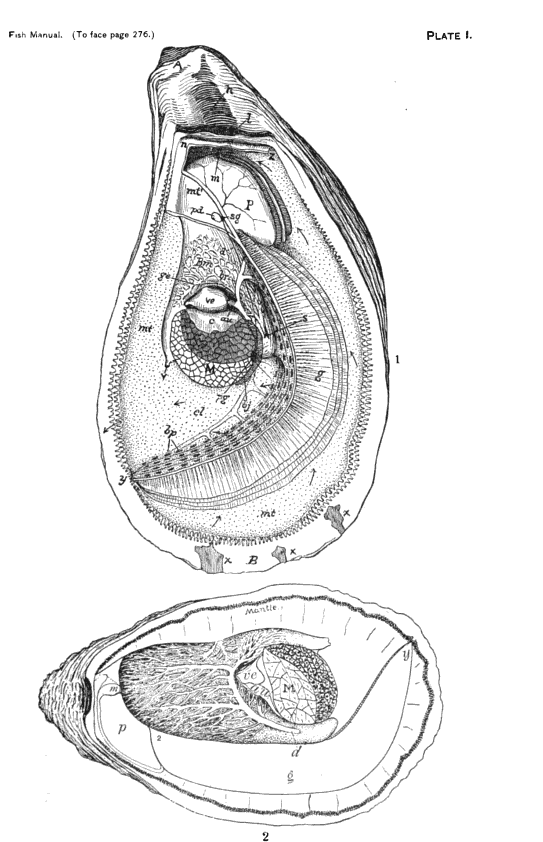
Food adulteration presented a difficult problem in the nineteenth century. Unscrupulous types mixed plaster in flour, tinted butter yellow with marigolds and added arsenic to jarred pickles. An 1896 edition of the American Druggist and Pharmaceutical Reports shares an instance of food adultery taken to new heights. “One might imagine that shell fish would be about the last edible to attract the adulterer’s attention,” the article reports, “yet we are credibly informed that a Frenchman is now manufacturing artificial oysters which are so natural, both in appearance and taste, that, unless they are subjected to a chemical test they cannot be distinguished from genuine ones.”
How exactly are these faux oysters made? The American Druggist goes on to explain that the Frenchman uses “natural shells” which he fills with “certain substances” (what these are the article leaves unstated). The ersatz oysters were then “fastened together with isinglass and immersed in a liquor that speedily covers them with a thin silicate deposit.” The article ends by informing readers that the sham oysters “are being sold freely in Paris, at a price greatly below that which is charged for Blue Points.”
Continue reading
 The Austerity Kitchen