One of the Three Sisters: Squash

Green and specked with spots of golden,
Never since the ages olden —
Since the time of Cain and Abel,
Never such a vegetable,
So with odors sweetest laden
Thus our halls appearance made in.
Who — oh! who in kindness sent thee
To afford my soul nepenthe?

Rude men seeing thee, say “Gosh!
‘T is a most enormous squash!”

Edgar Allan Poe’s poem “The Mammoth Squash” (1845) certainly is a bit tongue in cheek, but it does pay homage to a most intriguing (and indeed sometimes gargantuan) vegetable: the squash.
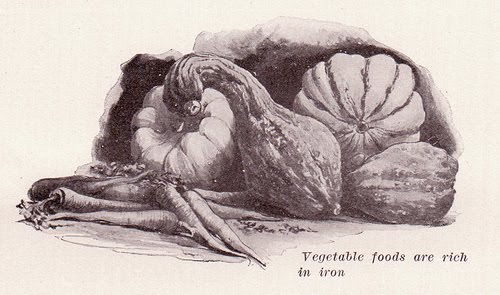
squash and root vegetables


Squash derives from the genus Curcurbita and was first cultivated in North America long before the arrival of European settlers — some archaeologists say almost 10,000 years ago. The name of the vegetable is a reduction of the word squontersquash, which refers to the fact that it can be eaten “green,” or raw and it is, interestingly enough, classified as a pepo, a special type of berry with a thick outer wall or rind.

The squash plant was important to the Native Americans. It was one of the so-called “Three Sisters” — squash, corn and beans. These crops were planted together because they grow in harmony with each other. The corn provides the stalk which the beans need to climb, and the beans fix the nitrogen in the soil that the corn depletes. The squash, which grows low to the ground, keeps moisture in the soil with its broad, green leaves. These three vegetables made up the bulk of the Native American diet. Try growing them in your own garden, as they are a cost-effective way to produce large amounts of vegetable food with little or no hassle.

Here’s a recipe from The Settlement Cook Book (1921) for stuffed squash. Serve it as a side dish or on its own as a tasty vegetarian entree.

Stuffed Squash

1 qt. mashed squash
2 tablespoons butter or fat
1/2 onion chopped
1/2 soaked bread
1 egg
1/2 teaspoon salt
1/8 teaspoon pepper
1/2 cup cracker crumbs

Bake the squash. Scrape out shells, being careful not to break the shells. Heat the butter or fat in a spider (pan), add the onion, chopped fine, let brown lightly, add the soaked bread, mashed and the squash. Fry all together 15 minutes, stirring occasionally. Remove from fire, add the salt, pepper and stir in the egg well. Place mixture back into shells; sprinkle cracker crumbs and bits of butter on top and return to oven to brown nicely.


Why Fast and Fermented Foods by Christine Baumgarthuber

Would you rather receive The Austerity Kitchen by email? Then sign up for my Substack.

And, if you’d like to help the Kitchen keep cookin’, please consider picking up copies of my books, Why Fast? and Fermented Foods.

Schutzhaus Fare: Wild Mushroom Stew

Schutzhaus in the Tyrol Austria

The weary traveler wanders through the green valleys and steep passes of Tyrol. She finds she can walk no further; her hunger prohibits her from taking another step. Luckily a humble Shutzhaus, a haven for hikers, appears through the pines, offering shelter and hearty sustenance to succor body and spirit.

Schutzhaus fare is simple yet wholesome, intended to satisfy the often ravenous appetites of those who have been wandering, sometimes for hours on end, the mountain passes of Austria. The 1905 Manöver-Küche cookbook provides a fascinating array of simple recipes to satisfy those appetites. It also offers the Shutzhaus proprietor valuable information on how to best store and use provisions and cooking utensils under less than ideal conditions. Meat must be carefully selected, the silverware thoroughly washed, and only the finest oil and coffee purchased lest it grow rancid or stale after months of storage.

Because these tiny cottages are usually located in areas that cannot be accessed by roads, the meals served are simple affairs, made from ingredients that do not require refrigeration. Here is a recipe from Manöver-Küche for wild mushroom stew, a meal where most of the ingredients come straight from the forest.

Wild Mushroom Stew

1 pound mushrooms, wild or store-bought
2 tablespoons butter
1 onion, chopped
1/2 bunch parsley
1/2 cup chicken or vegetable stock
1/4 cup flour
Salt and pepper to taste
2 tablespoons sour cream

Clean the mushrooms and cut them into slices. Place them in a baking dish. Cut up butter and place on top of mushrooms. Add onion and sprinkle flour over the mixture. Pour in stock and sprinkle parsley and salt and pepper over the mushrooms. Cook in a medium oven for 1/2 hour, or until mushrooms are tender. Take out of oven and stir in sour cream. Serve immediately. This dish can also be prepared on the stove.


Why Fast and Fermented Foods by Christine Baumgarthuber

Would you rather receive The Austerity Kitchen by email? Then sign up for my Substack.

And, if you’d like to help the Kitchen keep cookin’, please consider picking up copies of my books, Why Fast? and Fermented Foods.

A Humble Repast: The Onion

a bunch of onions

The onion traces its humble origins to Western and Central Asia, where it was first cultivated. It quickly spread in varieties big, small, mild and tart to Europe and America. Massachusetts could by 1875 boast of being a leading state in onion cultivation, with over one thousand acres devoted to the crop.

Cheap and widely available, the onion was consumed with gusto by the peasantry and working classes. An austere meal of watermelon, raw onion and black bread satisfied many a Southern European workingman, who preferred the onion’s pungency to cheese’s comparative mildness, which was favored by his British counterpart.

Don Quixote’s erstwhile companion Sancho Panza even preferred a meal of raw onion and bread to more substantial fare: “To tell you the truth,” he confesses, “what I eat in my corner, without compliment or ceremonies, though it were nothing but bread and an onion, relishes better than turkey at other folk’s table, where I am forced to chew leisurely, drink little, wipe my mouth often, and can neither sneeze nor cough when I have the mind.”

The onion was considered more than just a lunchtime tidbit; it was also valued for its medicinal properties. Onions were used as protection against winter colds and as a balm for snakebites and flesh wounds. For the insomniac a few small onions eaten before bed were supposed to prove soothingly soporific, and a patch of them planted near one’s house could protect against plague. Even Napoleon consumed onions by the barrel-full to increase his military prowess.

Here’s a 1902 recipe for potato and onion pie, a simple dish favored by the British working classes. Replace the meat with a cheese of your choice for a vegetarian dish.

Potato and Onion Pie

Take some peeled and finely-sliced onions and potatoes, allowing half a pound of onions to one pound of raw potatoes; fry the onions in a butter or drippings till a pale golden color, and season them with pepper and salt. Take three ounces of finely chopped beef suet [optional], three ounces of chopped lean ham or bacon, the same of finely-chopped cooked chicken, and mix this with a dessert spoon of finely-chopped parsley. Have a pie dish slightly greased, arranged the potatoes and onions alternately in this, sprinkle over each layer chopped meat, and continue these layers until they form quite a pile; fill up the dish with good light gravy or stock, wet the edges of the dish with cold water and put a strip of puff pastry the size of the rim round the edges. Wet the upper side of this, then cover the whole of the pie with puff pastry about half an inch thick; press this well into the band of the pastry. Trim the edges evenly, brush over with whole raw beaten-up egg, mark in any pretty designs with a small knife, scallop the edges, stand the pie in a baking tin, pour water in this to about an inch in depth, and bake the pie in a moderate over (350 degrees F.) for one and a half to two hours.


Why Fast and Fermented Foods by Christine Baumgarthuber

Would you rather receive The Austerity Kitchen by email? Then sign up for my Substack.

And, if you’d like to help the Kitchen keep cookin’, please consider picking up copies of my books, Why Fast? and Fermented Foods.