Washington Harrison Donaldson performed his greatest feats of derring-do while borne aloft by a large gas balloon. Or so discovered a crowd of curious onlookers one August morning in 1871 when the gymnast and self-styled aeronaut dressed in tights decided to take his big-top routine to the heavens. From the small town of Reading, Pennsylvania he set off at a quarter to ten in the morning. As dozens watched, his balloon, heavy with ballast, rose uncertainly at first, climbing thirty or so feet before its basket lurched against a house roof. Rope, grappling iron, coat, boots, hat and provisions Donaldson jettisoned, and the balloon resumed its ascent. A quarter of a mile above ground, he “skinned the cat” upon the hoop just above the wicker basket to the entertainment of any eyes cast skyward. On that maiden flight he drifted “some eighteen miles,” as M.L. Amick recounts in his 1875 History of Donaldson’s Balloon Ascensions, passing through clouds and over farms before coming to rest in a plow field.
Continue readingTag: spreads
The Gooseberry: A Cottager’s Treat
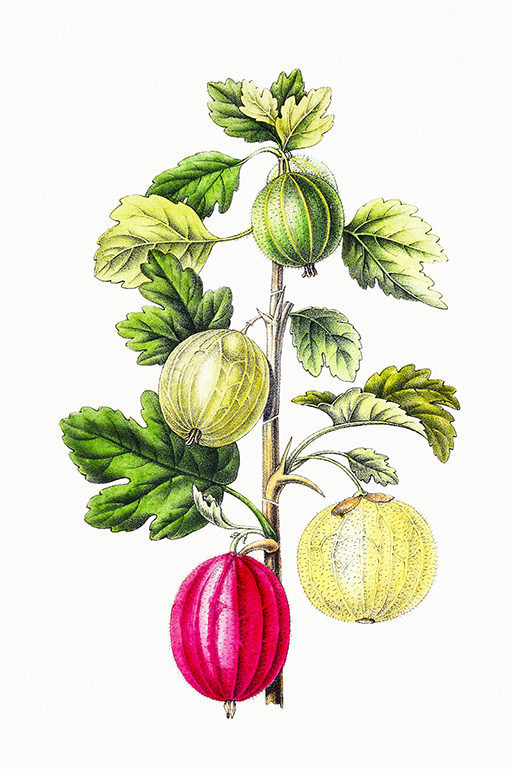
Green and round with delicate translucent skin, the tart berries of the gooseberry bush first appear in June.
The plant grows in copses and hedgerows in areas of northern and central Europe; its origins are unknown, however. Pliny mentions it briefly. The plant was valued in the Middle Ages for its cooling properties in the treatment of fevers. But it wasn’t widely cultivated until the sixteenth century, when skilled gardeners in Holland deliberately propagated the gooseberry for eating.
The gooseberry was a great favorite among the poor cottagers of Lancashire. They cultivated numerous varieties of gooseberry from seed in their small garden plots. An 1864 article from the Journal of Horticulture, Cottage Gardener and Country Gentlemen attributes the success of the gooseberry’s “fruit culture” to the “humbler population” of the district who managed to increase the size of their gooseberries. The Journal urges its readers to imitate “the good works of these real cottage gardeners.”
Today there are over two thousand varieties of gooseberry, with berries in all shades of color. Pink, white and yellow gooseberries are just a few of the color variations developed over the past centuries.
Gooseberries are eaten in pies, relishes, puddings and even omelets. Here’s a nineteenth-century recipe for gooseberry preserves, much like the one enjoyed in those humble Lancashire cottages.
Gooseberry Preserves
For every quart of gooseberries, add one pound of granulated sugar, dissolving it in the preserving kettle [a heavy-bottomed saucepan] with as much water as it will take to make a syrup. Let it boil for twenty minutes, skimming well; then put in the gooseberries, and boil five minutes; then set by till the next day, then boil again until they [the gooseberries] have a clear look and the syrup is thick. Put up in jelly glasses, with brandied paper on top.

Would you rather receive The Austerity Kitchen by email? Then sign up for my Substack.
And, if you’d like to help the Kitchen keep cookin’, please consider picking up copies of my books, Why Fast? and Fermented Foods.
On the Oregon Trail: Molasses Butter
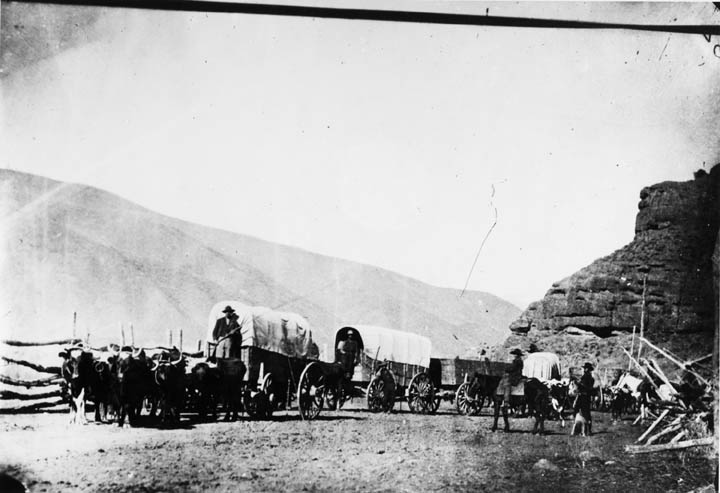
The Oregon Trail stretched from the Missouri River to the Oregon territory. During the Great Migration of 1843, settlers from as far as New England traveled its two thousand miles, hoping for a new, more prosperous life in the Oregon territory. They traveled in convoys, and long lines of wagons pulled by weary oxen dotted the trail in an otherwise desolate landscape.
A high degree of organization was necessary during the journey. Danger lurked around every corner: wild animals, famine, hostile natives and unpredictable weather all threatened to disrupt the convoy’s westward progress. The convoy’s leader, usually an official elected by democratic vote at the beginning of the journey, decided on the safest camping sites and kept order among the convoy’s many families.
At night the convoys stopped to rest. Camp fires festooned with cauldrons and pots burned brightly against the dark night of the American wilderness as the settlers gathered to prepare their suppers. The meals were meager, but filling — salt pork, flour, beans and cornmeal made up the bulk of the provisions on the Oregon Trail. When cream was available, the settlers churned it into butter in the wagons as they rocked along their rough, uneven route.
The settlers frequently mixed their fresh-churned butter with molasses and eggs, creating a delightful, spicy spread for cornbread, another food popular on the trail. Here’s a recipe for the molasses butter enjoyed on the Oregon Trail. Serve it with a hearty cornbread or another variety of quick bread, like banana or pumpkin.
Oregon Trail Molasses Butter
1 cup molasses
2 tablespoons butter
1/2 tsp ground nutmeg
Pinch baking soda
Salt
2 eggs, well-beaten
Mix molasses, butter, nutmeg, soda and a pinch of salt in heavy saucepan. Bring to a boil over low heat. Beat eggs in a separate bowl. Stir moderate amount of hot mixture into eggs. Return the egg mixture to the saucepan. Cook and stir till thick, about one minute. Chill. Makes 1 1/2 cups.

Would you rather receive The Austerity Kitchen by email? Then sign up for my Substack.
And, if you’d like to help the Kitchen keep cookin’, please consider picking up copies of my books, Why Fast? and Fermented Foods.