Depression Hermits

The lowly hermit has all but been forgotten these days.

A favorite during the Great Depression, the hermit is a square, soft cookie filled with nuts and raisins. It’s origins are a mystery — some say the recipe came from Moravians who settled in Pennsylvania during the nineteenth century. Others theorize that the hermit’s history is rooted firmly in New England. Either way, one can attribute the cookie’s popularity to its ease of preparation and long shelf life.

Cookies known as hermits popular in the American Northeast
Hermits from Monastic Greetings

There are hundreds of hermit recipes out there. Here’s a hermit recipe based on the original recipe from Miss Fanny Farmer’s cookbook, published in 1896. It was supposedly the first hermit recipe to appear in print.

Hermits

1/3 cup butter
2/3 cup sugar
1 egg, well beaten
2 Tbs milk
2 cups flour
2 teaspoons baking powder
1/3 cup raisins, cut into small pieces
1/4 cup nut meats
1/2 teaspoon cinnamon
1/4 teaspoon clove
1/4 teaspoon mace
1/4 teaspoon nutmeg

Cream the butter, then add sugar gradually. Once the sugar and butter are creamed together, add the raisins, nutmeats, egg, and milk. Mix dry ingredients and add to creamed mixture. Dough should be firm, but pliable. Roll dough into long strips lengthwise on a greased cookie sheet. Bake at 350° for about 8-10 minutes, until lightly browned. Cut each strip into 2-inch bars while still warm.

The hermit’s spicy nature ensures that it will last for weeks in a tightly closed tin.


Baumgarthuber, Christine. Fermented Foods: The History and Science of a Microbiological Wonder. Reaktion Books, 2021.

Would you rather receive The Austerity Kitchen by email? Then sign up for my Substack.

And, if you’d like to help the Kitchen keep cookin’, please consider picking up a copy of my book, which you may find on one of the sites listed here.


Why Fast and Fermented Foods by Christine Baumgarthuber

Would you rather receive The Austerity Kitchen by email? Then sign up for my Substack.

And, if you’d like to help the Kitchen keep cookin’, please consider picking up copies of my books, Why Fast? and Fermented Foods.

On the Oregon Trail: Molasses Butter

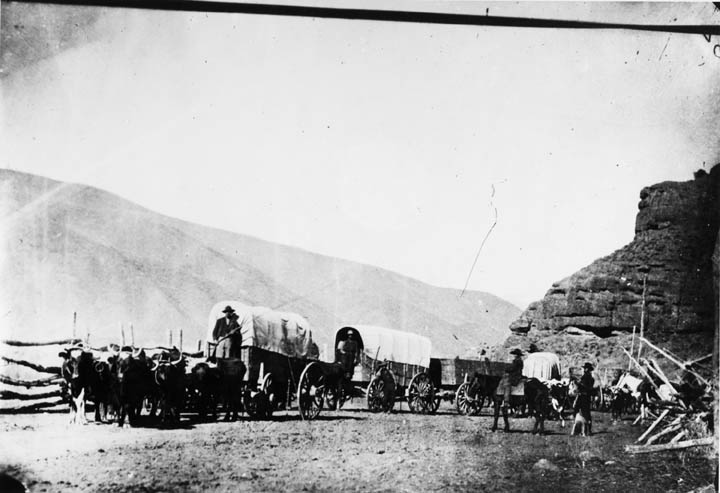
The Oregon Trail stretched from the Missouri River to the Oregon territory. During the Great Migration of 1843, settlers from as far as New England traveled its two thousand miles, hoping for a new, more prosperous life in the Oregon territory. They traveled in convoys, and long lines of wagons pulled by weary oxen dotted the trail in an otherwise desolate landscape.

A high degree of organization was necessary during the journey. Danger lurked around every corner: wild animals, famine, hostile natives and unpredictable weather all threatened to disrupt the convoy’s westward progress. The convoy’s leader, usually an official elected by democratic vote at the beginning of the journey, decided on the safest camping sites and kept order among the convoy’s many families.

The Oregon Trail

At night the convoys stopped to rest. Camp fires festooned with cauldrons and pots burned brightly against the dark night of the American wilderness as the settlers gathered to prepare their suppers. The meals were meager, but filling — salt pork, flour, beans and cornmeal made up the bulk of the provisions on the Oregon Trail. When cream was available, the settlers churned it into butter in the wagons as they rocked along their rough, uneven route.

Wagon Train on the Oregon Trail
Wagons along the Oregon Trail

The settlers frequently mixed their fresh-churned butter with molasses and eggs, creating a delightful, spicy spread for cornbread, another food popular on the trail. Here’s a recipe for the molasses butter enjoyed on the Oregon Trail. Serve it with a hearty cornbread or another variety of quick bread, like banana or pumpkin.

Oregon Trail Molasses Butter

1 cup molasses
2 tablespoons butter
1/2 tsp ground nutmeg
Pinch baking soda
Salt
2 eggs, well-beaten

Mix molasses, butter, nutmeg, soda and a pinch of salt in heavy saucepan. Bring to a boil over low heat. Beat eggs in a separate bowl. Stir moderate amount of hot mixture into eggs. Return the egg mixture to the saucepan. Cook and stir till thick, about one minute. Chill. Makes 1 1/2 cups.


Why Fast and Fermented Foods by Christine Baumgarthuber

Would you rather receive The Austerity Kitchen by email? Then sign up for my Substack.

And, if you’d like to help the Kitchen keep cookin’, please consider picking up copies of my books, Why Fast? and Fermented Foods.

From a Monastery Kitchen: Minestrone Soup

In honor of Easter, The Austerity Kitchen brings you a recipe for a tasty, springtime soup from the Our Lady of the Resurrection Monastery, located near Millbrook, New York. Throughout the centuries, monastic cooking has been distinctive for its emphasis on frugality, wholesome ingredients and the seasonality of the fruit and vegetables used in its recipes. You can find more monastic recipes in Brother Victor-Antoine d’ Avila-Latourrette’s From a Monastery Kitchen: The Classic Natural Foods Cookbook.

18th century monastery near Magdeburg Germany
An eighteenth-century monastery near Magdeburg, Germany

Minestrone Monastico

(Serves 6-8)

3 quarts water
4 carrots
1 cup dry white beans
4 potatoes
1 cup green beans
2 celery stalks
3 onions
1/2 cup plus two tablespoons olive oil
1 cup white wine
1 cup macaroni
tarragon, minced
salt and pepper to taste
grated Parmesan cheese

Wash the vegetables and peel the carrots, potatoes, and onions. Cut all the vegetables in small pieces. Pour the water into a large pot and add all the vegetables, except the onions. Cook slowly over medium heat for 1 hour.

Saute the onions in the 2 tablespoons of oil in a large frying pan until golden. Reserve.

After an hour of slow cooking, add the onions, wine, olive oil to taste (up to 1/2 cup), macaroni, tarragon, salt, and pepper. Continue cooking for another 15 minutes. Cover the pan and allow soup to simmer for 10 minutes. Serve the minestrone hot, with grated Parmesan cheese.

Serve this soup with a crusty, Italian bread.


Why Fast and Fermented Foods by Christine Baumgarthuber

Would you rather receive The Austerity Kitchen by email? Then sign up for my Substack.

And, if you’d like to help the Kitchen keep cookin’, please consider picking up copies of my books, Why Fast? and Fermented Foods.