Horse-Meat Sauerbraten for Fun and Profit

 
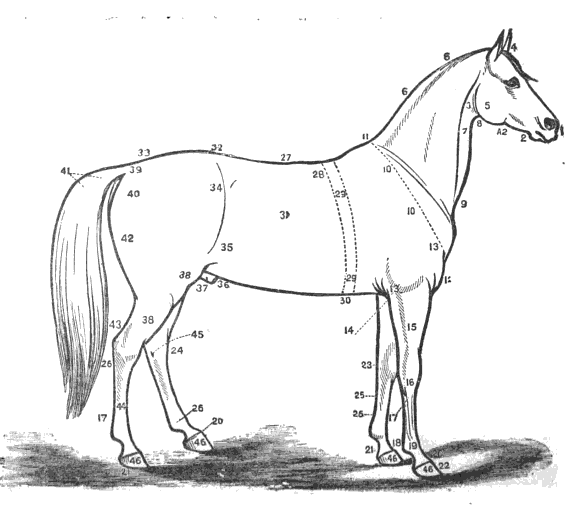
horse, anatomic illustration

Serve an American horse-meat and you’ll be ushered out of the kitchen and into a psychiatric institution, no doubt. But serve it to folks from Central Europe or Asia and you’ll find yourself praised for your culinary discernment. In his 1859 compendium The Curiosities of Food, Peter Lund Simmonds writes that the “ancient Germans and Scandinavians had a marked liking for horse-flesh. The nomadic tribes of Northern Asia make horse-flesh their favorite food. It has long been authorized and publicly sold in Copenhagen.”

Continue reading
A New England Tomato Tour de Force

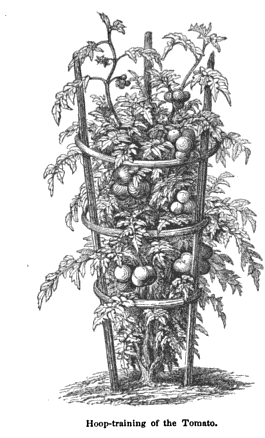
hooptraining tomatoes

A dinner in which each dish features the humble tomato? Sounds excessive. But that’s exactly what one housewife hosted, according to an 1894 edition of The New England Kitchen Magazine. Known for her “delightful little dinners,” she was eager to prepare one her guests would not soon forget. Only five invitations were sent; her “home was small but dainty and cosey.”  Her guests she chose carefully: “Five friends that she knew to be very fond of tomatoes.”

Continue reading

The Government Hospital for the Insane: Nutrition for Those Deemed Non Compos Mentis

government hospital for the insane, washington d.c.

The United States Office of Experiment Stations conducted a number of dietary studies at the Government Hospital for the Insane in Washington, D.C. The hospital was “designed primarily for the benefit of persons who have become insane while performing Government duty as soldiers and sailors,” though it also housed “all the insane of the District of Columbia.” Home to some 2,200 souls, the hospital was chosen as the site of the dietary study because its inmates were said to be “of an exceptionally good class”; the majority of them were neither hostile nor untidy. Being former military men, they were believed to possess above average in intelligence and a decent education.

Continue reading