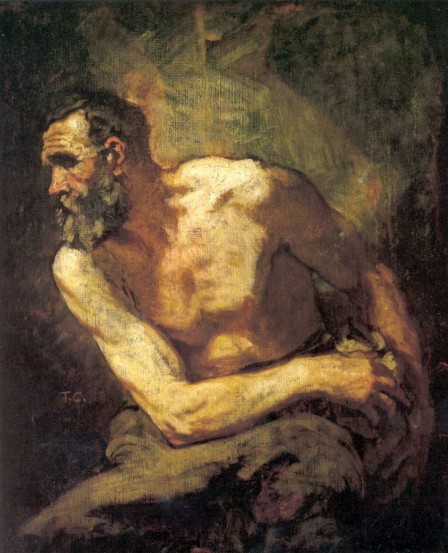
A bowl of soup would have spared the life of Osterwald. A crust of bread would have kept the Berliner Danden from wasting away.
To what depths of destitution had Osterwald and Danden sunk that they would die in such a needlessly agonizing manner? The answer is, none at all. Both men were rich – indeed perhaps fatally so, each unwilling to part with the few shillings necessary to secure their sustenance.
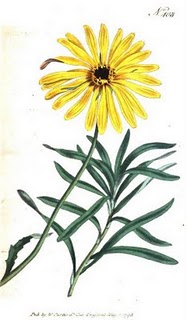
One common flower enjoys an uncommonly storied history. Ancient Romans celebrated its vitality, calling it calendula in honor of its monthly blooms. Buddhists consider it sacred to Maha-devi, her devotees weaving garlands of it as a show of reverence. The Germans call it gelt (or gold-flower), believing it to resemble the coin of the realm. Mexicans call it the flower of death, claiming it to have sprung from soil wet with the blood of natives shed by cupiditous conquistadores. The French call it souci, which derives from the Latin Solsequium and denotes its tendency to expand its bloom to follow the sun’s eastward course, and add it to salad and broths to give them a splash of color. Anglophones dubbed it “marigold,” a corruption of “Mary’s gold,” to reflect the frequency with which it was to be found growing in cottagers’ gardens.
Spitting in public places; occupying all the benches in the parks, thus depriving old people of seats; playing your piano in an apartment after ten o’clock at night; handling fruit, poultry or game in market stalls; putting more people in an elevator than it can hold; employing a man until he is old and then throwing him out and giving his place to a younger man; baking cakes and pastry at home; selling or using cream; dancing during war – if as a Wilhelmine German you took a notion to do any these things, you risked incurring the wrath of the Reich, for it had ruled them strictly Verboten.