Café Au Lait: A Beverage Unfit for the Roll

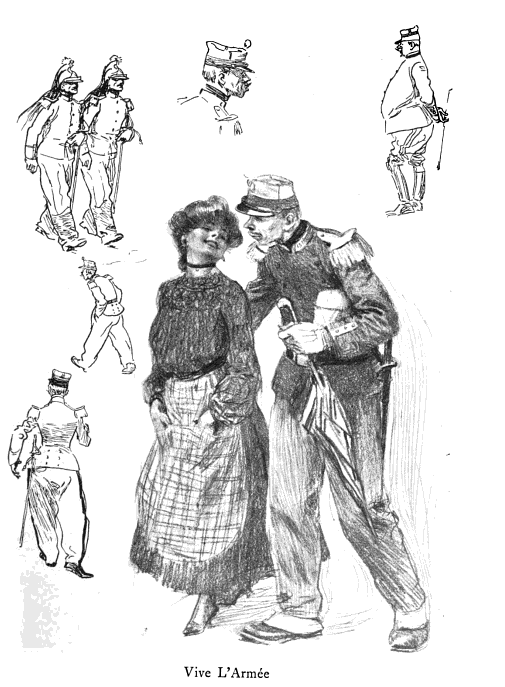
soldier and sweetheart in belle epoque paris

Whether congregating in the Café de Paris on the Boulevard de Italiens or the Cabaret de la Mère Saguet at the barrier du Maine (a favorite of Victor Hugo and Alexandre Dumas’), Parisians of all ages and walks of life made a point of conspiciously sipping coffee or cocoa as regularly as their circumstances allowed. They did this not merely to get a jolt of caffeine, but to see and be seen. “We require publicity, broad daylight, the street, the cabaret,” M. Alfred Delvan writes about himself and his fellow urbanites in his Histoire Anecdotique des Cafés et Cabarets de Paris (1862), “well or ill, we desire to exhibit ourselves from home.” Delvan considers this desire the sine qua non of the Parisian character. “We delight in attitudinising,” he continues, “in making a show of ourselves, in having a public, an audience, witnesses of our lives.”

Continue reading

The Miser’s Unbearable Tightness of Being

The Miser, Thomas Couture 1876

A bowl of soup would have spared the life of Osterwald. A crust of bread would have kept the Berliner Danden from wasting away.

To what depths of destitution had Osterwald and Danden sunk that they would die in such a needlessly agonizing manner? The answer is, none at all. Both men were rich – indeed perhaps fatally so, each unwilling to part with the few shillings necessary to secure their sustenance.

Continue reading

Marigolds: The Value of Precious Petals

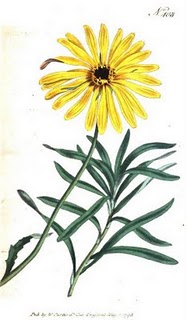
marigold, color illustration

One common flower enjoys an uncommonly storied history. Ancient Romans celebrated its vitality, calling it calendula in honor of its monthly blooms. Buddhists consider it sacred to Maha-devi, her devotees weaving garlands of it as a show of reverence. The Germans call it gelt (or gold-flower), believing it to resemble the coin of the realm. Mexicans call it the flower of death, claiming it to have sprung from soil wet with the blood of natives shed by cupiditous conquistadores. The French call it souci, which derives from the Latin Solsequium and denotes its tendency to expand its bloom to follow the sun’s eastward course, and add it to salad and broths to give them a splash of color. Anglophones dubbed it “marigold,” a corruption of “Mary’s gold,” to reflect the frequency with which it was to be found growing in cottagers’ gardens.

Continue reading