Bruegel’s Harvest Meal: Buttermilk Porridge

Worn out from their morning’s work in the wheat fields, the group of peasants in Pieter Bruegel the Elder’s The Harvesters (1565) relax under a young tree and enjoy a meal of bread, cheese and porridge. Some peasants continue to work, tirelessly threshing a golden field of wheat that stretches far into the distance. They remind those who eat of the labor required to produce the hearty loaves of bread and creamy bowls of porridge enjoyed under the tree.

Bruegel Harvesters Sour Milk Porridge
The Harvesters, 1565

Bruegel was a master in his painter’s guild, but contemporaries called him “Pieter the Peasant” as he liked to dress in peasant’s garb and attend peasant weddings and celebrations. His paintings then depict a world of lived experience. The meal enjoyed by the peasants, amid tall sheaves of wheat on a warm summer’s day, was likely savored by Bruegel as well.

The peasants in The Harvesters are feasting on a sour milk pap–a common meal in the sixteenth century. Should you wish to enjoy a similar dish, here’s a traditional recipe for a Dutch buttermilk porridge.

Buttermilk Porridge

4 1/2 cups (1 liter) buttermilk
3 ounces (60 grams) flour
molasses or stroop (syrup)
salt

Pour the flour into a bowl and add a pinch of salt. Pour in half the buttermilk and mix into a smooth paste. Boil the remaining buttermilk over medium heat and add the flour paste gradually, stirring constantly. Serve with stroop (a fruit syrup is particularly good) or molasses.


Why Fast and Fermented Foods by Christine Baumgarthuber

Would you rather receive The Austerity Kitchen by email? Then sign up for my Substack.

And, if you’d like to help the Kitchen keep cookin’, please consider picking up copies of my books, Why Fast? and Fermented Foods.

On the Oregon Trail: Molasses Butter

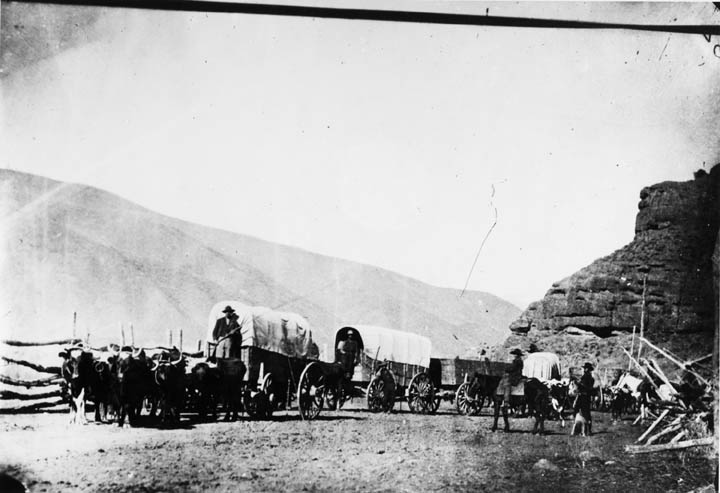
The Oregon Trail stretched from the Missouri River to the Oregon territory. During the Great Migration of 1843, settlers from as far as New England traveled its two thousand miles, hoping for a new, more prosperous life in the Oregon territory. They traveled in convoys, and long lines of wagons pulled by weary oxen dotted the trail in an otherwise desolate landscape.

A high degree of organization was necessary during the journey. Danger lurked around every corner: wild animals, famine, hostile natives and unpredictable weather all threatened to disrupt the convoy’s westward progress. The convoy’s leader, usually an official elected by democratic vote at the beginning of the journey, decided on the safest camping sites and kept order among the convoy’s many families.

The Oregon Trail

At night the convoys stopped to rest. Camp fires festooned with cauldrons and pots burned brightly against the dark night of the American wilderness as the settlers gathered to prepare their suppers. The meals were meager, but filling — salt pork, flour, beans and cornmeal made up the bulk of the provisions on the Oregon Trail. When cream was available, the settlers churned it into butter in the wagons as they rocked along their rough, uneven route.

Wagon Train on the Oregon Trail
Wagons along the Oregon Trail

The settlers frequently mixed their fresh-churned butter with molasses and eggs, creating a delightful, spicy spread for cornbread, another food popular on the trail. Here’s a recipe for the molasses butter enjoyed on the Oregon Trail. Serve it with a hearty cornbread or another variety of quick bread, like banana or pumpkin.

Oregon Trail Molasses Butter

1 cup molasses
2 tablespoons butter
1/2 tsp ground nutmeg
Pinch baking soda
Salt
2 eggs, well-beaten

Mix molasses, butter, nutmeg, soda and a pinch of salt in heavy saucepan. Bring to a boil over low heat. Beat eggs in a separate bowl. Stir moderate amount of hot mixture into eggs. Return the egg mixture to the saucepan. Cook and stir till thick, about one minute. Chill. Makes 1 1/2 cups.


Why Fast and Fermented Foods by Christine Baumgarthuber

Would you rather receive The Austerity Kitchen by email? Then sign up for my Substack.

And, if you’d like to help the Kitchen keep cookin’, please consider picking up copies of my books, Why Fast? and Fermented Foods.