Caramel Fudge for the Hyannis Cowboy Carnival

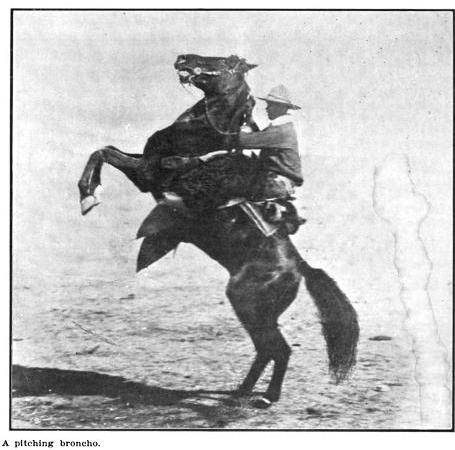
pitching bronco, cowboy carnival, hyannis, nebraska

Hyannis, Nebraska was once a “thriving, wide-awake” town, according to a 1904 article from The Overland Monthly. Situated in the center of cattle country, the bustling little burg hosted a yearly three-day “cowboy carnival,” whereon hundreds of cowboys from all the ranches within “seventy-five or a hundred miles” would descend “to have a jolly good time.” The carnival was also a tourist magnet, attracting hundreds of visitors to Hyannis each year.

Continue reading
Rinktum Ditty: An Arizona Logger’s Treat

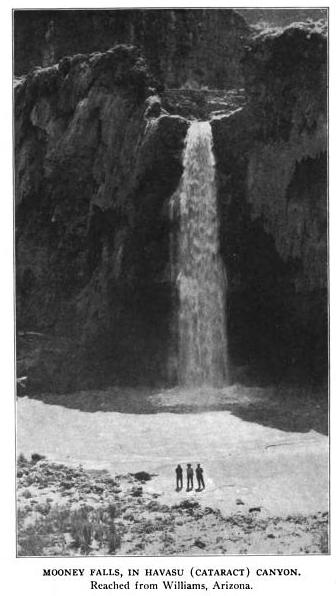
mooney falls, havasu canyon, arizona

In the 1917 travel guide Arizona, the Wonderland author George Wharton James writes that the “casual traveler, riding through Arizona on a railway train, oftentimes passes through the most romantic and fascinating regions” whose charms, because they are of a scrubby, subtle variety, tend to go unappreciated. Yet “no one with an eye for beauty could regard the town of Williams in this light,” James maintains. Situated 6780 feet above sea level and covered in vanilla-scented pines, Williams, Arizona enjoys “a wonderful outlook over the great prehistoric inland sea to the very rim of the Grand Canyon.” Indeed, nature “has done much to make the town attractive,” James concludes.

Continue reading

Orache: The Poor Man’s Pot Herb

orache, color illustration

A leafy, emerald-green plant, the unassuming orache originated in Eastern Europe and came to be considered the poor man’s pot herb. An 1894 edition of the Transactions of the Highland and Agricultural Society of Scotland reports that the herb earned its name because of its supposed ability to cure aches — “golden aches, yellow aches, jaundice, in fact.” The 1835 An Encyclopaedia of Gardening calls orache a “hardy annual” with stems that rise “three or four feet high.” Several varieties of orache exist, “but the two principal are the white or pale green, and the red or purple leaved.”

Continue reading