Gurr Cake

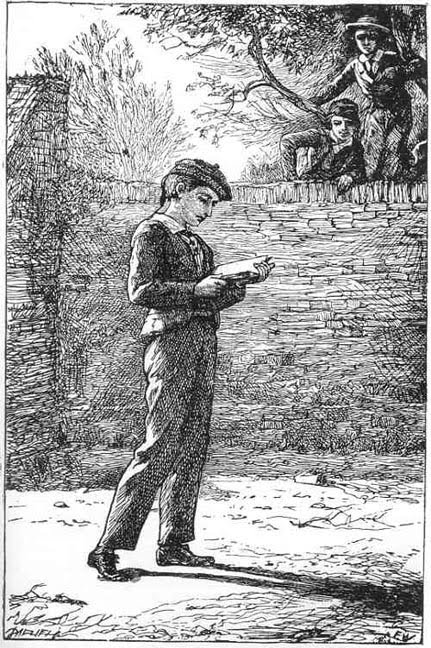
Irish schoolboy, illustration

A clever and economical innovation of Dublin bakers during the nineteenth century, gurr cake was a favorite after-school treat for many a young pupil “on the gurr,” or playing hooky. This illicit sweet was comprised of stale bread (on luckier days, day-old cake replaced the bread) which was mixed with sugar and dried fruit. The mixture of bread and fruit was then stacked between layers of dough and the entire concoction sprinkled with powdered sugar.

Because of its cheapness, gurr cake became synonymous with street urchins and was used to describe the hardened runaways who subsisted on it. But you need not be dodging school in order to enjoy a piece of this delightfully frugal cake. Below is a recipe from Culinaria: European Specialties for a slightly richer version of gurr cake. Enjoy it with tea, coffee or a glass of warm, rum-infused milk.

Gurr Cake

8 slices of stale bread without crusts
3 Tbs flour
1/2 tsp baking powder
2 tsp bread seasoning
1/2 cup (100 g) brown sugar
2 Tbs butter
6 oz (175 g) currants or dried mixed fruit
1 beaten egg
4 Tbs milk
8 oz (250 g) short pastry
Caster sugar

Soak the bread for 60 minutes in water, then squeeze dry. Mix with the flour, baking powder, seasoning, sugar, butter, currants, egg and milk. Stir the ingredients thoroughly.
Line a baking pan approximately 8 inches (22 cm) square with half the pastry, place the bread mixture in the pan, distribute evenly and cover with the remaining pastry. Score through several times.
Bake for about 60 minutes at 375 degrees F. (190 degrees C.) in the oven. Sprinkle with sugar and leave to cool in the baking pan. Then cut the cake into 24 small square pieces (such a piece in the last century cost a half penny).


Why Fast and Fermented Foods by Christine Baumgarthuber

Would you rather receive The Austerity Kitchen by email? Then sign up for my Substack.

And, if you’d like to help the Kitchen keep cookin’, please consider picking up copies of my books, Why Fast? and Fermented Foods.


More Wartime Cooking: English Stew with Barley and Baked Samp

FDA wartime propaganda poster

In her introduction to Two Hundred and Seventy-Five War-Time Recipes (1918), Carolyn Putnam Webber writes that the recipes in her book originally appeared “on the slips used at demonstration lectures,” but that she had assembled them for everyday use. She confesses that her recipes represent her belief that “true economy does not consist of going without but in making the most of what one has.” Expressing her conviction that frugal housekeepers in the United States represent a “volunteer army,” Webber adamantly stresses that their efforts can “help avoid rations or restricted diets and stabilize prices.”

Below are two recipes from Webber’s book. They can be served together, or as separate dinners. For the English stew, use whatever meat is most economical. And the samp for the baked samp recipe is not hard to find: Samp is the same thing as hominy, save that it is cracked into smaller pieces.

English Stew with Barley

1 lb mutton
4 potatoes sliced
2 tsp salt
2 onions
1/2 cup pearl barley
1 tsp chopped parsley

Cut meat in small pieces and brown with onions in fat from meat. Add barley and 2 quarts cold water. Simmer in covered dish 1 1/2 hours. Add potatoes and cook until potatoes are soft.

Baked Samp

2 c. boiled samp
1 tbsp. butter substitute
1/4 tsp paprika
1 cup grated cheese
1/2 cup milk
1 tsp salt
crumbs

Arrange samp, cheese and seasoning in alternate layers. Add milk, put crumbs on top, bake 20 minutes.


Why Fast and Fermented Foods by Christine Baumgarthuber

Would you rather receive The Austerity Kitchen by email? Then sign up for my Substack.

And, if you’d like to help the Kitchen keep cookin’, please consider picking up copies of my books, Why Fast? and Fermented Foods.

Economical Recipes: Gingersnaps and Chowchow

wallflower – Erysimum cheiri

An 1894 edition of Good Housekeeping includes a delightful and informative article on the everyday workings of a small farm in the Ozarks. The “brave and cheerful” housewife at this farm, called Orchard Hill Farm, is “a self-appointed committee of ways and means to see to it that the outgo does not exceed the income.” Indeed, the good farm wife shares a number of ingeniously economical recipes with the journalist from Good Housekeeping. For instance, upon praising the farm wife’s excellent coffee, the journalist finds that it was half sweet potato; “chop them fine, dry and roast them, then grind,” the farm wife reveals, “I use a tablespoon of sweet potato to every tablespoon of coffee.”

Below are two very economical recipes from Orchard Hill Farm: ginger snaps and chowchow, a pickled vegetable stew. Feel free to reduce the quantities given in the recipes; they are intended to feed large crowds of hungry farmhands.

Ginger Snaps

One half gallon of sorghum, two tablespoonfuls of ginger, two tablespoonfuls of salt, one teaspoonful of black pepper, one tablespoonful of cinnamon, two large cupfuls of lard, two tablespoonfuls of soda flour to make a very stiff dough. Bake quickly. This makes a bushel of ginger snaps.

Chowchow

Two quarts of cucumbers, two quarts of green tomatoes, two quarts of onions, two quarts of cauliflower or cabbage. Soak in a weak brine over night. Cook separately until tender. For the paste use one gallon of vinegar, one large cupful of flour, one pound of mustard, one and one half pounds of sugar. Stir the paste until it boils then pour it over the vegetables.


Why Fast and Fermented Foods by Christine Baumgarthuber

Would you rather receive The Austerity Kitchen by email? Then sign up for my Substack.

And, if you’d like to help the Kitchen keep cookin’, please consider picking up copies of my books, Why Fast? and Fermented Foods.