Café Au Lait: A Beverage Unfit for the Roll

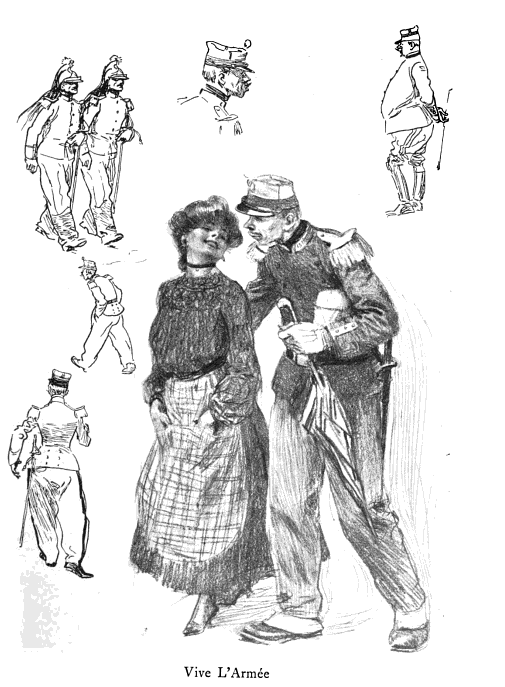
soldier and sweetheart in belle epoque paris

Whether congregating in the Café de Paris on the Boulevard de Italiens or the Cabaret de la Mère Saguet at the barrier du Maine (a favorite of Victor Hugo and Alexandre Dumas’), Parisians of all ages and walks of life made a point of conspiciously sipping coffee or cocoa as regularly as their circumstances allowed. They did this not merely to get a jolt of caffeine, but to see and be seen. “We require publicity, broad daylight, the street, the cabaret,” M. Alfred Delvan writes about himself and his fellow urbanites in his Histoire Anecdotique des Cafés et Cabarets de Paris (1862), “well or ill, we desire to exhibit ourselves from home.” Delvan considers this desire the sine qua non of the Parisian character. “We delight in attitudinising,” he continues, “in making a show of ourselves, in having a public, an audience, witnesses of our lives.”

Continue reading
The German Food Commission’s Wartime Kitchen Magic

woman selling ices in Germany

Spitting in public places; occupying all the benches in the parks, thus depriving old people of seats; playing your piano in an apartment after ten o’clock at night; handling fruit, poultry or game in market stalls; putting more people in an elevator than it can hold; employing a man until he is old and then throwing him out and giving his place to a younger man; baking cakes and pastry at home; selling or using cream; dancing during war – if as a Wilhelmine German you took a notion to do any these things, you risked incurring the wrath of the Reich, for it had ruled them strictly Verboten.

Continue reading

A Recipe for Victory: Wartime Cornmeal Waffles

 
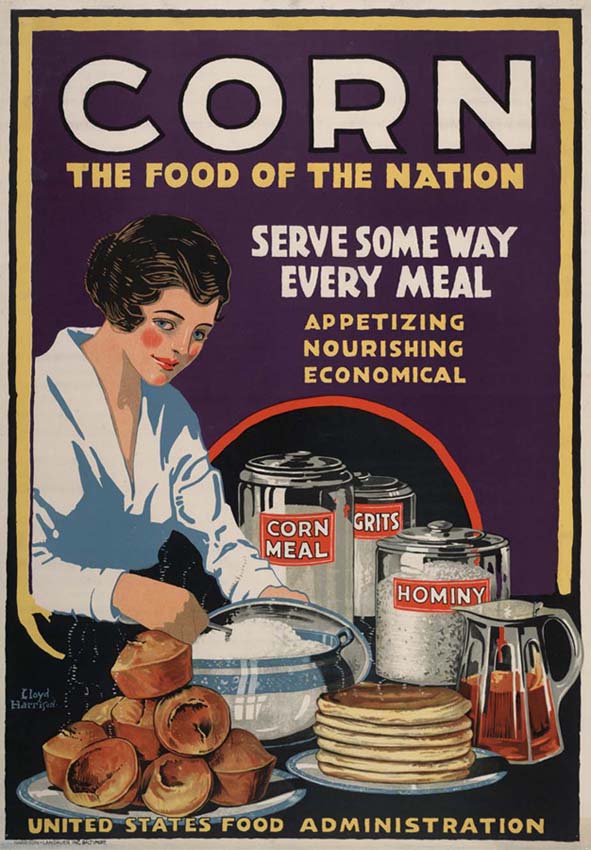
wartime propaganda for corn products

The year 1918 saw the the publication of the Twentieth Century Club War Time Cook Book, an elegant, informative tome filled with useful and tasteful economical recipes. The federal food administrator of Pennsylvania praised the book, deeming it instrumental in winning “the war that is being waged to guarantee the safety of American home” and in ensuring the “permanency of American institutions.” Though he cautions that “much more will be demanded before we can hope for victory, as much perhaps as has been demanded in England and France,” he assures readers that “there is no more important war activity in which women may engage than the careful conservation of our food supply which is altogether inadequate to the needs our own men and our allies at the fighting front.”

Continue reading