Free from the Forest: Chicken of the Woods

Polyporus Sulphureus, otherwise known as “Chicken of the Woods,” is a beautiful fungus that frequently grows on oaks during the late summer and autumn. Its bright orange coloring gives it away, and to discover a clump of this brightly colored mushroom, which can sometimes weigh twenty pounds or more, is to discover the makings for a delicious meal. For Chicken of the Woods is one of the tastiest (yes, it really does taste like chicken) and most easily identifiable mushrooms around.
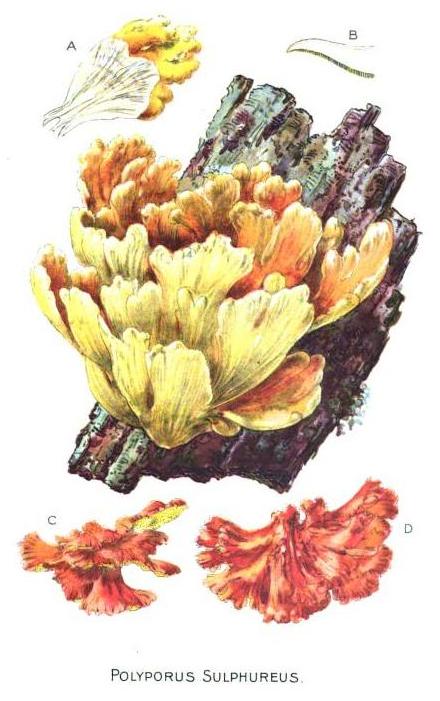
Polyporus Sulphureus – Chicken of the Woods

Here’s a recipe from William Hamilton Gibson’s Our Edible Toadstools and Mushrooms and How to Distinguish Them (1895) for fried mushrooms on toast. Since Chicken of the Woods has the flavor and texture of meat, it makes for a very savory and satisfying meal. Be sure to use only the freshest specimens; the mushrooms should be soft and flexible.

Fried Chicken of the Woods on Toast

Place a pint of mushrooms [or 1/2 pound of Chicken of the Woods] in a pan with a piece of butter about the size of an egg. Sprinkle in a teaspoonful of salt and half a teaspoonful of pepper. When the butter is nearly absorbed, thicken with fresh butter and flour and pour upon hot toast, which should be served hot.


Why Fast and Fermented Foods by Christine Baumgarthuber

Would you rather receive The Austerity Kitchen by email? Then sign up for my Substack.

And, if you’d like to help the Kitchen keep cookin’, please consider picking up copies of my books, Why Fast? and Fermented Foods.
Great Depression Baking: Ginger Ice Box Cookies

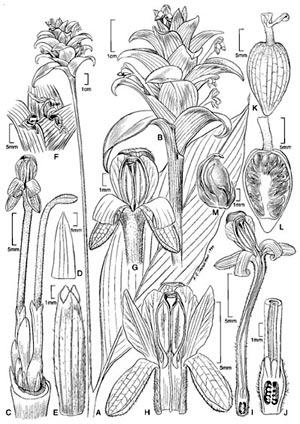
ginger plant, schematic illustration

Here’s a simple yet tasty recipe for Ginger Ice Box Cookies from Great Depression Recipes, a fascinating site on Great Depression cooking. These cookies contain a generous amount of molasses, which lends them a rich and spicy flavor. In fact, molasses, which was once in danger of “disappearing as an article of commerce” according to an 1897 edition of Good Housekeeping, enjoyed a comeback during the first part of the twentieth century. No longer was it used merely for distilling rum, as it was during the latter half of the nineteenth century; rather, thanks to war and economic blight, molasses appeared in all sorts of baked goods as a substitute for its more refined, and hence more expensive, relation–white sugar.


Ginger Ice Box Cookies

1 cup brown sugar
1/2 cup shortening
3 eggs, beat well
1/2 teaspoon salt
1/4 teaspoon cinnamon
3 teaspoons ginger
1 teaspoon soda
1/2 cup molasses
4 1/2 cup flour
1 cup nut meats

Cream sugar and shortening. Add well beaten eggs, then the molasses. Sift all dry ingredients and add to the first mixture. Add nut meats. Form into rolls and place in refrigerator to chill (overnight is best). Cut into thin slices with sharp knife and bake in a moderate oven (375 degrees F.) for 12 to 15 minutes.


Why Fast and Fermented Foods by Christine Baumgarthuber

Would you rather receive The Austerity Kitchen by email? Then sign up for my Substack.

And, if you’d like to help the Kitchen keep cookin’, please consider picking up copies of my books, Why Fast? and Fermented Foods.

Norwegian Oatmeal Porridge

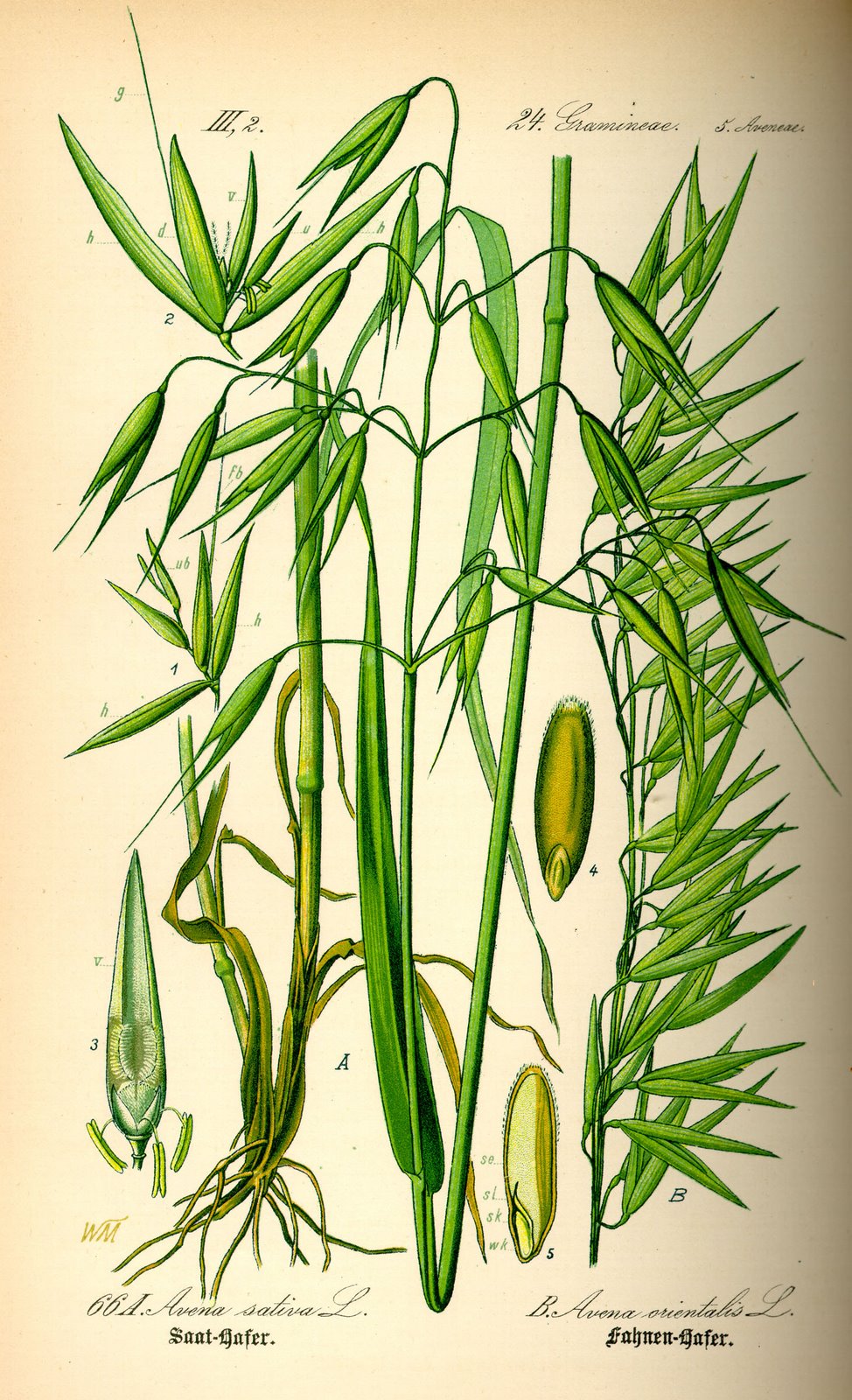
oat plant – schematic color illustration

The ancestor of our humble oat was a wild and uncouth relative that grew in southern Europe and western Asia. Used for animal fodder and as an ingredient in hearty dishes and baked goods, wild–and later cultivated–oats provided sustenance for Europe’s rural poor.

The Norwegians for instance consumed fish and oatmeal porridge; an ancient saga tells of a hero’s enjoyment of this dish before leaving his home: “Before I left my home, ate I in peace fish and oatmeal,” he says. The more humble folk also enjoyed some variation of this dish, partaking of it in numerous guises throughout the day. Alfred Heaton Cooper in his book The Norwegian Fjords (1907) tells us that the average Norwegian peasant followed the following daily gustatory routine: “At 6 a.m., oatmeal cake or potato cake and buttermilk; at 8 a.m.–the chief meal of the day –is served fish, and boiled, salted, or dried mutton with potatoes; at 12 midday, oatmeal porridge and buttermilk; at 4 p.m., dried, smoked, or salted fish with potatoes and buttermilk; at 8 p.m., oatmeal porridge and milk.” Though variety was lacking in this austere Nordic diet, the meals were filling and nourishing, especially when in the warmer spring and summer months vegetables were added to the menu.

Claude Monet, Oat and Poppy Fields (1890)Claude Monet, Oat and Poppy Fields, 1890


Here’s an 1888 recipe for Norwegian oatmeal porridge. Serve it with cream and brown sugar or as a side for more savory dishes.

Norwegian Oatmeal Porridge


Why Fast and Fermented Foods by Christine Baumgarthuber

Would you rather receive The Austerity Kitchen by email? Then sign up for my Substack.

And, if you’d like to help the Kitchen keep cookin’, please consider picking up copies of my books, Why Fast? and Fermented Foods.