New York City’s Lunch Counter Dance Halls

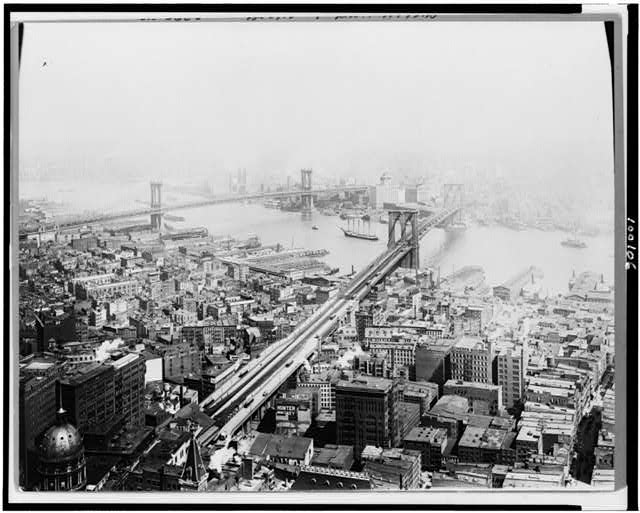
bird's-eye view of Manhattan

Lunch among the tombstones would seem a melancholy repast. But not so for the well-dressed girls of Manhattan. In The Personality of American Cities (1913), Edward Hungerford writes that “part of the lunch hour is always a stroll – unless there be a downpour.” With “little packages” of food in tow, the gay ladies head for the churchyards, where they plop down amid the graves to gossip and eat lunch. “No one molests them,” Hungerford reports, “and the church authorities, although a little flustered when this first began, have seen that there is no harm in it.” They let the girls rest in peace.

Continue reading

Birch Bark for Bowel Remedies and Other Boons

fully grown birch tree

At eighty feet high and close to two feet thick, the black birch dwarfs its fellow trees. It’s solitary, preferring to make its home on craggy, mountain precipices, where its branches can reach over deep chasms and it roots can burrow between rocks into moist, rich soil. But it’s also handsome, having large oval leaves laced with fine veins that turn yellow in autumn and bark that in youth is a seamless near-black and in maturity becomes cracked and furrowed.

Continue reading

Holidays at the Antarctic Hotel

ship in antarctica

The mariners stranded in the icy wastes of Antarctica, where, as an 1850 edition of Household Words reports, “crashing mountains of ice, heaped up together, have made a chaos round their ships”; the mariners icily bearded, enjoying no company besides animals and birds white as though “they too were born of the desolate snow and frost” – how did they observe the year-end holidays? With merriment and good cheer, as it turns out.

The 1841 South Pole expedition was the very picture of high spirits on the high seas. The crew celebrated Christmas in grand English style, unfriendly environs notwithstanding. Such animal life as existed there paid no heed to them. Seals basked sleepily on floating chunks of ice. The black curve of a whale’s back peeked through a fissure and disappeared again. Two ships, the “Terror” and the “Erebus,” occupied a small opening in ice pack seven hundred miles wide. Ice covered the decks; a dense, gray fog, the ships. Except for flocks of shrieking terns that sometimes passed by, all was still and silent.

Continue reading