Vipavska Corba: Slovenian Sauerkraut Soup

Vipavska corba is a Slovenian stew of sauerkraut, white beans and bacon. It is very similar to the favorite dish of Trieste, Italy: white bean and sauerkraut soup. But the Slovenians, being very fond of fatty soups and stews, add a pound of bacon to their sauerkraut soup.

The basic cooking of this stew can be done ahead and the soup put together in a few minutes. This is actually the traditional way of preparing this stew as the Slovenians prefer to cook all the ingredients separately and then mix them together at the last minute. Serve the Corba with a sour rye bread and fresh butter.
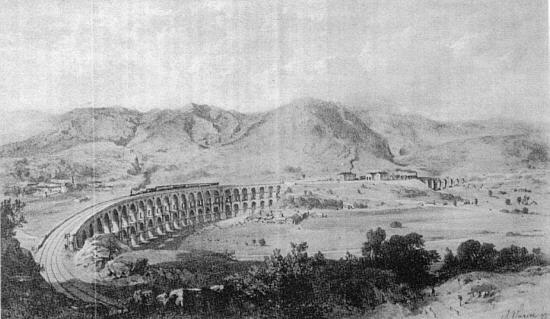
Borovnica Viaduct, Slovenia

The following recipe comes from Ann Rogers’s delightful austerity cookbook, The New Cookbook for Poor Poets and Others (1966).

Vipavska Corba

1 pound small white beans
1 two-pound jar sauerkraut
1 pound slab bacon
1 pound potatoes
1 tablespoon fat
1 tablespoon flour
1 large onion
3 cloves garlic
2 or 3 bay leaves
salt and pepper
sour cream or yogurt

Soak the beans overnight. Remove the ring from the bacon but leave it in one piece. Cut the potatoes into small chunks. Cook the beans, bacon, and potatoes separately. Keep the stock!

Chop onion and garlic and saute them in one tablespoon of the fat that has risen to the top of the bacon stock. Sprinkle in flour and stir. Then add the beans, potatoes, sauerkraut, bacon that has been cut in dice, bay leaves, salt, and pepper. Add more water if necessary. Cover and cook until heated through. Top each serving with sour cream or yogurt.

If one pound of bacon is too dear, the quantity can be reduced.


Why Fast and Fermented Foods by Christine Baumgarthuber

Would you rather receive The Austerity Kitchen by email? Then sign up for my Substack.

And, if you’d like to help the Kitchen keep cookin’, please consider picking up copies of my books, Why Fast? and Fermented Foods.

Székely Goulash

royal castle, budapest


On a cold evening in 1846, a county archivist stopped by a local inn in Budapest. He was famished and tried to order one of his favorite dishes. But it was close to closing time at the little inn and there was nothing to be served but pork and some leftover sauerkraut. His hunger spurring him on, the little archivist, who went by the name Jozsef Székely, demanded that the few scraps of food left in the kitchen be thrown together and heated into a stew. He found the resulting dish so delightful that he returned to the inn, with friends in tow, to order this new goulash dish. The poet Sándor Petőfi later christened this new goulash dish Székelygulyás.

Below is a recipe for this delicious and economical meal from Hungary Starts Here, a delightful blog on the fascinating cuisine of Hungary.

Székely Goulash

1/2 kilo meat (pork shoulder/leg or turkey’s leg), 1 kilo sauerkraut (pickled cabbage), 1 medium onion, 1 tbs red paprika powder, water, oil, salt and ground black pepper and marjoram to taste.

Ingredients for the roux: 1 cup sour cream, 1 tbs flour.

Instructions:

1. Make a pörkölt (stew). I mean that heat the oil in a large pot and the sliced onions and sauté until they get a nice golden brown color. Add the meat cube and sauté together until the meat begin to whiten. Sprinkle them with paprika powder and sauté a bit more. Add the salt and ground black pepper and marjoram, pour water enough to cover the content of the pan and let it simmer on low heat for the meat is half-cooked.
2. Rinse the sauerkraut (so it’s not too sour). Afterwards steam the sauerkraut in oil until it’s half-cooked.
3. Add the steamed sauerkraut to the pörkölt and cooked together until the meat cubes and sauerkraut are also softened.
4. Mix flour with the sour cream in a soup-plate and add one big spoon soup, mixed well. When cool enough the soup carefully add the whole mixed and boil again.
5. Finally if necessary add more spice and a little (just one or two teaspoon) juice of rinsed sauerkraut. This step is the second most important secret.


Why Fast and Fermented Foods by Christine Baumgarthuber

Would you rather receive The Austerity Kitchen by email? Then sign up for my Substack.

And, if you’d like to help the Kitchen keep cookin’, please consider picking up copies of my books, Why Fast? and Fermented Foods.

Economical Ham and Cabbage Soup

vintage French ad for sausage

According to the 1868 book Gardening for the South, the cabbage was one of the most useful crops in cultivation at the time. “It is a crop that can be put on every bit of otherwise idle ground,” the book advises, “They can be planted between beds and rows of anything and everything else, to be eaten as greens when young, or left to head on the coming off of other crops, and if there should be a superabundance above the wants of the family, nothing is better for the cow and the pig.”

Certainly the cabbage is an economical, nutritional powerhouse. It’s an excellent source of vitamin C, and contains significant amounts of glutamine. In folk medicine, it’s used to treat inflammation; a paste of raw cabbage may be placed in a cabbage leaf and wrapped around the affected area to reduce discomfort.

Below is a recipe from a 1945 advertisement for Armor Ham using plenty of cabbage. If you want to make the dish even more economical, use a ham bone instead of the flesh to season the soup.

Armor’s Star Ham and Cabbage Soup

2 tbsps. butter
1/4 cup chopped onion
1/4 cup chopped celery
1/4 cup chopped green pepper
3 tbsps. flour
3 cups boiling water
2 cups shredded cabbage
2 cups cooked, cubed Armor star ham
1 bay leaf
1/4 teaspoon salt
1/4 teaspoon pepper
3/4 cup thick sour cream
2 tbsps, chopped parsley

Lightly fry onion, celery, green pepper in butter until clear. Remove from heat, stir in flour and slowly add boiling water. Return to heat and add cabbage, Armor’s star ham and seasonings. Cook eight to ten minutes or until cabbage is tender. Remove bay leaf. Add sour cream and parsley. Let heat through. Top each serving with a sprig of parsley, 6 generous servings. (Only fifteen minutes and “soup’s on”)


Why Fast and Fermented Foods by Christine Baumgarthuber

Would you rather receive The Austerity Kitchen by email? Then sign up for my Substack.

And, if you’d like to help the Kitchen keep cookin’, please consider picking up copies of my books, Why Fast? and Fermented Foods.