Workhouse Soup and Cottage Loaves

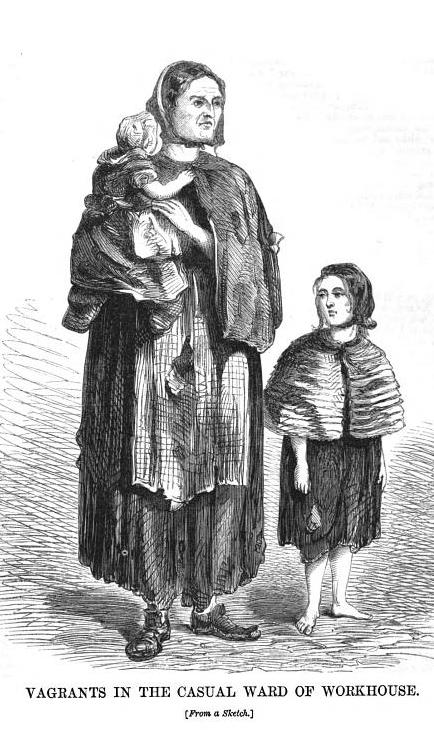
victorian workhouse inmates

The workhouses of Edwardian England served a most excellent split pea soup. Or so claims the 1906 Report of the Department Committee on Vagrancy. Under the Order of 1882 vagrants who intend to be short-term workhouse guests can dine on a spare dinner of bread and cheese, but to those planning to spend more than a day in the workhouse a dinner of bread and soup is offered — in rather exact and somewhat less than lavish portions. Six ounces of bread and a pint of soup go to warm the soul of the beggar, a person otherwise considered to be “a nuisance [who] infests the roads and threatens women and insists on having food when their husbands are absent, and all that sort of thing.” Such minutely observed economy must not divide the beggar from some basic sustenance, as meager as this might be.

And what goes into this bone-warming bit of comestible charity? According to the “Dietary Order” the “ingredients for pea soup in the workhouse are to each pint, three ounces of raw beef free from bone, two ounces of bones, two ounces of split peas, half an ounce of oatmeal, one ounce of vegetables, salt, pepper, and herbs to taste.”

As the Report indicates, workhouse soup goes well with bread. Try serving it with a cottage loaf, like this one from the 1905 Still Room Cookery: Recipes Old and New.

Cottage Loaf

Cottage loaves are formed from two balls of dough, a smaller and a larger, placed one on the top of the other. A hole is made through the top to connect the two, and 4 slits cut in the sides. The oven shelves must have been scrubbed previously and floured and the dough set down on them.

The loaves should stand in a warm place for 1/2 an hour and are then baked in a good oven, for the first 1/4 of an hour on the top shelf, and then moved to the centre shelf to bake another 1 1/4 hours. The loaves must stand on their sides to cool.

This recipe has been used for many years without a failure.

Household Bread (No. 2).

Another recipe made with Barm [the foam on top of beer and other fermented alcoholic beverages].

4 Ib. flour
1/2 pint warm water
1 pint of barm.

Put the flour into a basin, mix in a pinch of salt, make a hole in the centre and pour in the warm water, stir the barm in with it, shake a little flour over the top. Cover the basin with a cloth and let it stand in a warm place all night. At about 9 o’clock in the morning mix it with enough warm water to make a nice dough, and knead it well. Cover again with a cloth and let it stand for 2 hours. Make into loaves and bake.


Why Fast and Fermented Foods by Christine Baumgarthuber

Would you rather receive The Austerity Kitchen by email? Then sign up for my Substack.

And, if you’d like to help the Kitchen keep cookin’, please consider picking up copies of my books, Why Fast? and Fermented Foods.

Philadelphia Corned Beef Hash

illustration from Roast Beef, Medium by Edna Ferber

In his 1920 travel memoir Travels in Philadelphia, Christopher Morley sings the praises of the stalwart waitresses who provide service in city of brotherly love’s many late-night lunch rooms. “We had been motoring in the suburbs, a crisp and bravely tinted October afternoon,” Morley writes,

and getting back to town after 8 o’clock as hungry as bolshevik commissars, we entered into the joy of the flesh in a Ninth street hash cathedral. Here and now let me pay tribute to those blissful lunch rooms that stay open late at night to sustain and replenish the toiler whose business it is to pass along the lonely pavements of midnight. Waiters and waitresses of the all-night shift, we who are about to eat salute you! Let it be a double portion of corned-beef hash and “coffee with plenty.

Perhaps Morley enjoyed a Philadelphia corned-beef hash much like this one from the 1914 home economics manual, Mrs. Rorer’s Philadelphia Cook Book.

Corned Beef Hash

1 pint of cooked corned beef, chopped fine
1 tablespoonful of butter
1 teaspoonful of onion juice
1 pint of cold boiled potatoes, chopped fine
1 cup of stock or water
3 dashes of pepper

Mix the meat and potatoes together, put them in a frying pan, add the stock, butter, onion juice, and pepper; stir constantly until it boils. Serve on buttered toast.


Why Fast and Fermented Foods by Christine Baumgarthuber

Would you rather receive The Austerity Kitchen by email? Then sign up for my Substack.

And, if you’d like to help the Kitchen keep cookin’, please consider picking up copies of my books, Why Fast? and Fermented Foods.

Christmas Punch

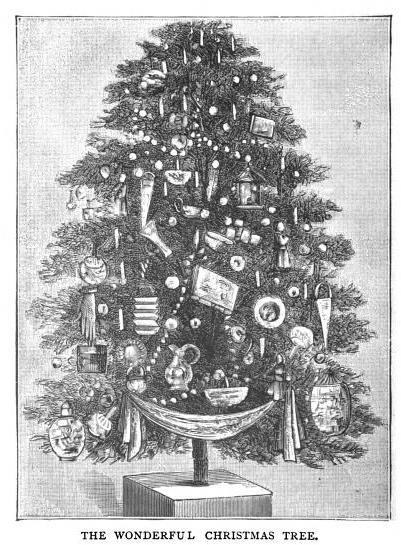
decorated christmas tree, illustration

The December 26, 1874 issue of Punch offered its holiday-weary readers a list of “Christmas Hampers” (written by “a Growler”), among which were found the following seasonal drawbacks:

The Christmas Snow and Rain in the streets

The Christmas Coals

The Christmas Rates and Taxes

The Christmas Country Cousins

The Christmas Nightmare after

The Christmas Family Quarrels, Buried Friendships, and Mournful Memories

A long list of Christmas-induced migraines, indeed. Toward the bottom of the list appears, however, a hamper apt literally to give the merry maker a splitting headache: “The Christmas Champagne of economic dinner-givers.”

Much better to serve a spicy punch, like this one from Mrs. Norton’s Cook-Book (1917), if one seeks to be both economical and hospitable.

Christmas Punch

Juice of six oranges, six lemons, two grapefruit, one grated pineapple, two cups of sugar melted in one cup of hot water then cooled, one cup of strong Ceylon tea; when all is chilled add four quarts of water turned over a block of ice in the punch bowl. Drain a small bottle of maraschino cherries, and float them on top with a few candied mint leaves.


Why Fast and Fermented Foods by Christine Baumgarthuber

Would you rather receive The Austerity Kitchen by email? Then sign up for my Substack.

And, if you’d like to help the Kitchen keep cookin’, please consider picking up copies of my books, Why Fast? and Fermented Foods.